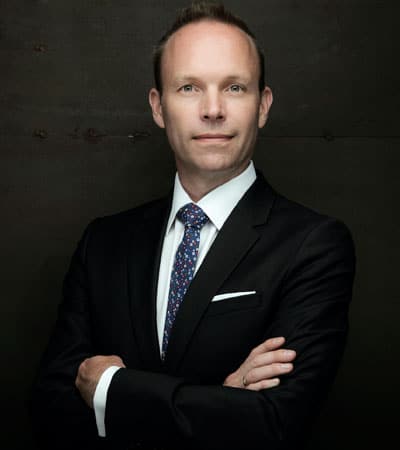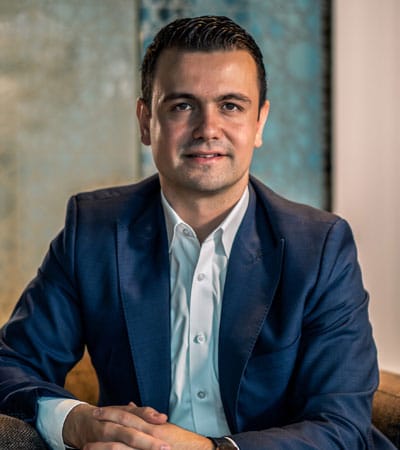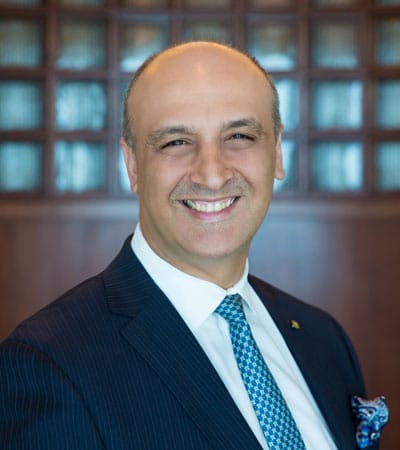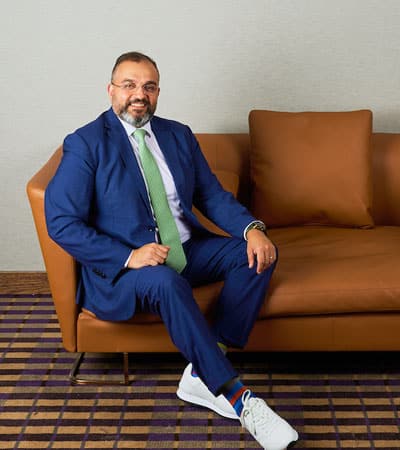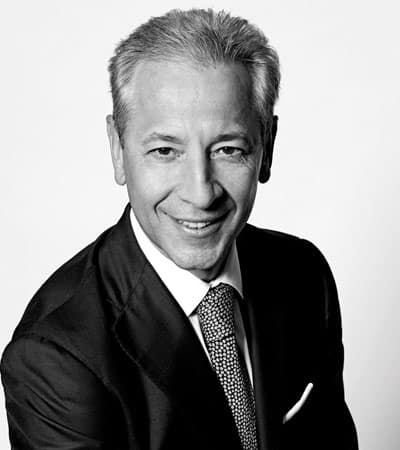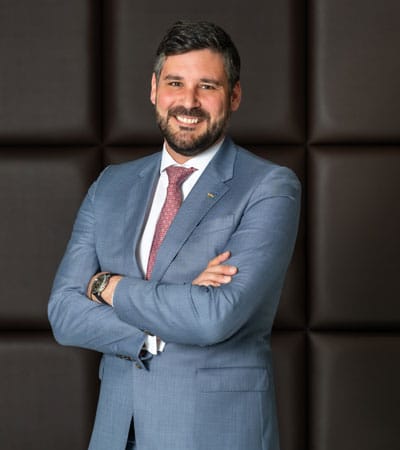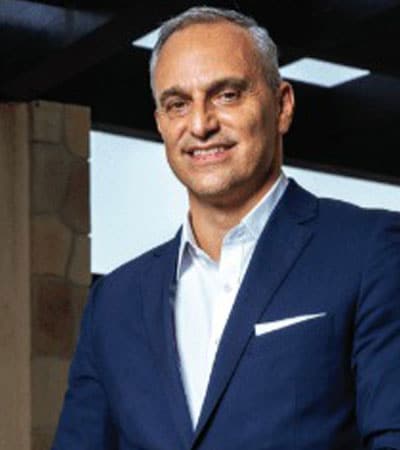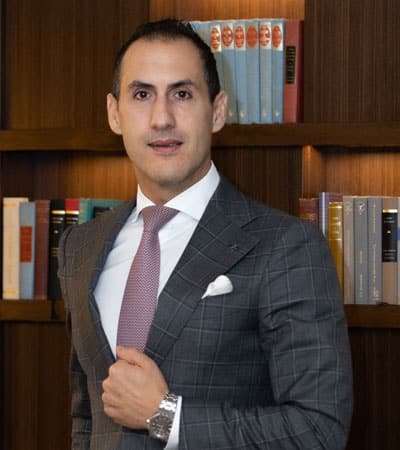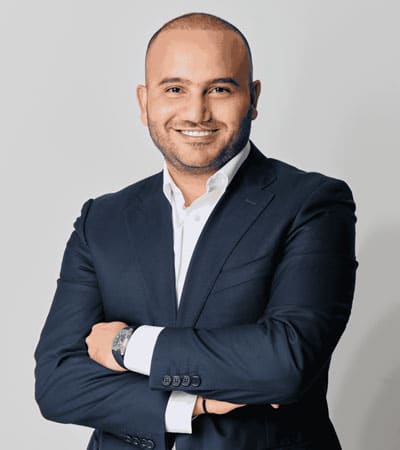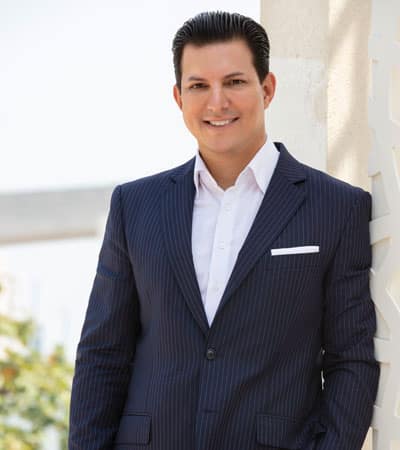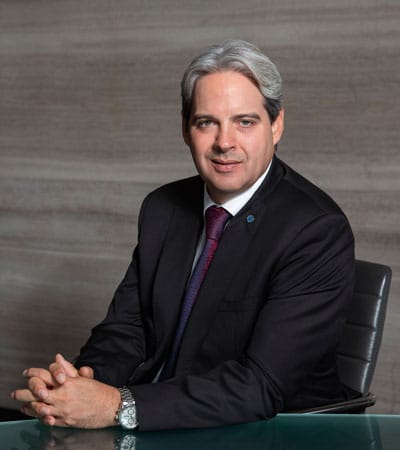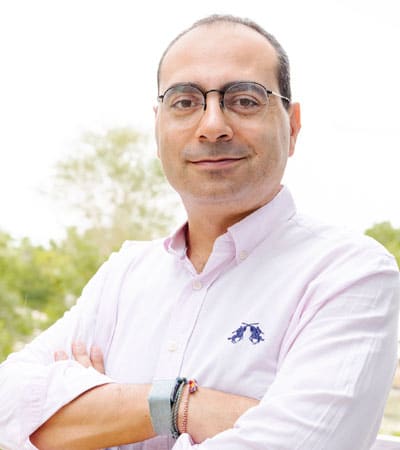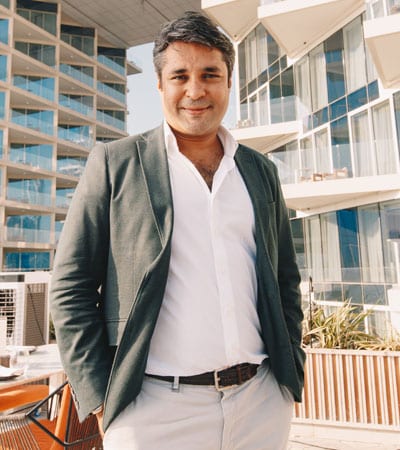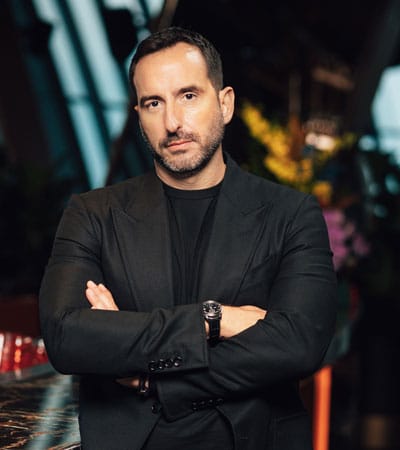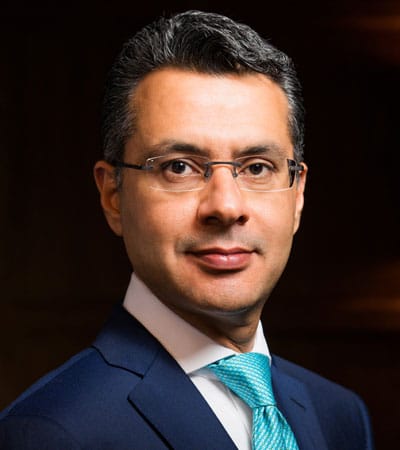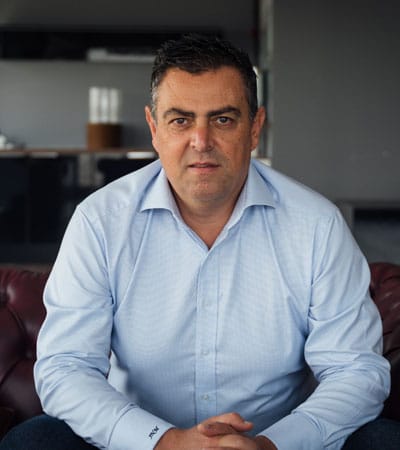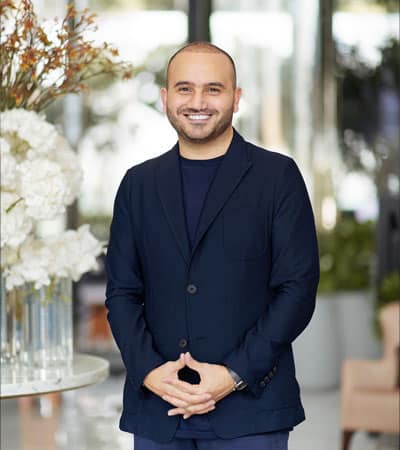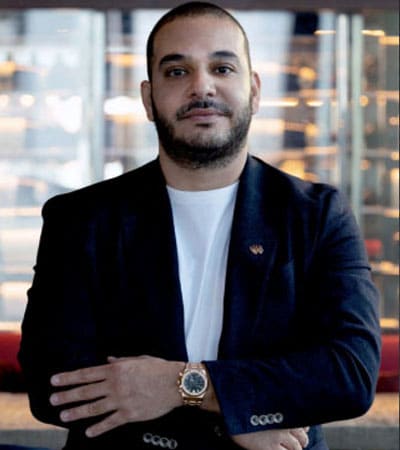

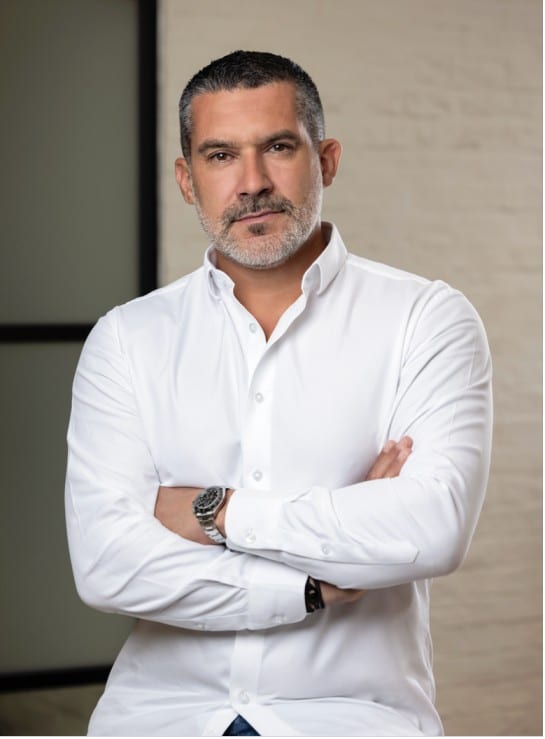
Interview with Guillaume Ferraz
What does “Daylife” mean to you?
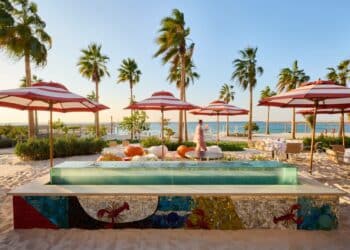
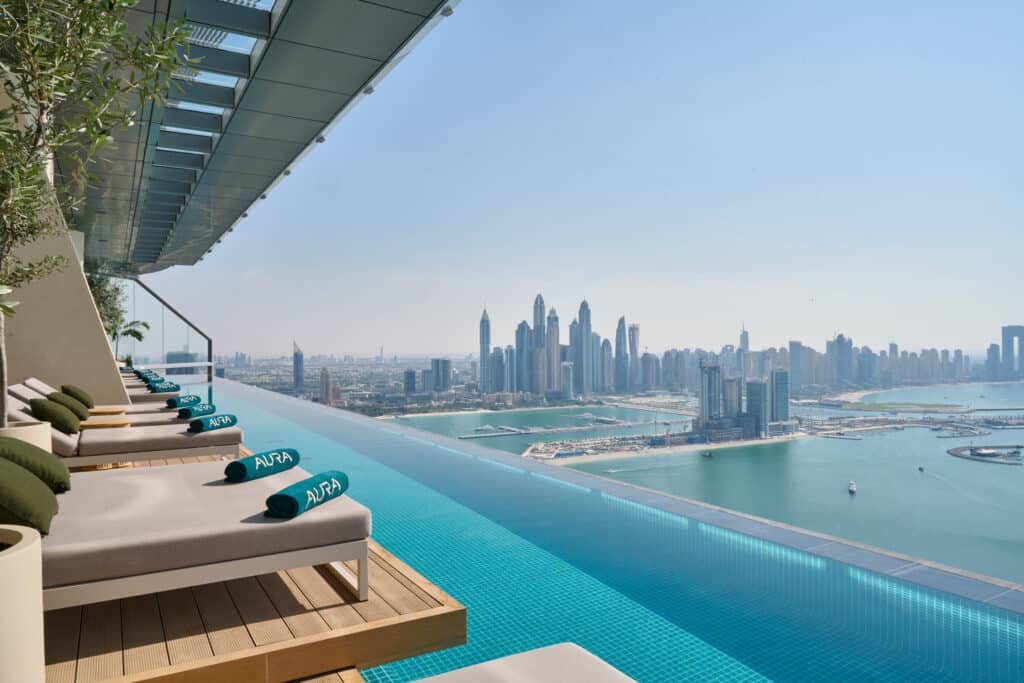
Daylife is about creating moments that unfold across the day, bringing together dining, music, connection, and environment in a way that feels seamless. Born in Dubai and now making waves worldwide, Sunset Hospitality Group’s Daylife has become a global reference point, where guests look for standout experiences from late morning to early evening, whether they’re poolside, on the beachfront, or in the sky.
How do you create a beach club experience people want to keep coming back to?
It starts with understanding how guests live, not just how they dine. A beach club needs to offer more than a sunbed or a DJ; it has to feel intuitive, with service that flows effortlessly and details that create a sense of belonging. Familiarity is also important, guests appreciate being remembered, but they also want freshness. This could be a new menu item, a seasonal activation, or a subtle shift in the music direction. The most memorable venues feel alive: they change just enough to stay relevant, while still offering comfort and continuity.
You’ve worked in Saint Barth, Marbella, and Dubai. Which destination taught you the most?
Dubai. The scale, pace, and diversity of this city demand a higher level of planning and execution. It teaches you to move with intention, listen to the market, and deliver quality at speed. You also learn to navigate cultural nuance, which becomes a strength when managing international teams and guests.
What’s the secret to making each SHG venue feel unique but still part of one family?
Each concept is built with its own story. We protect that individuality while aligning on certain fundamentals, such as guest experience, consistency, and attention to detail. The result is a portfolio where each venue has a clear identity but shares the same level of care and hospitality.
What was the biggest challenge of bringing Bâoli to Dubai?
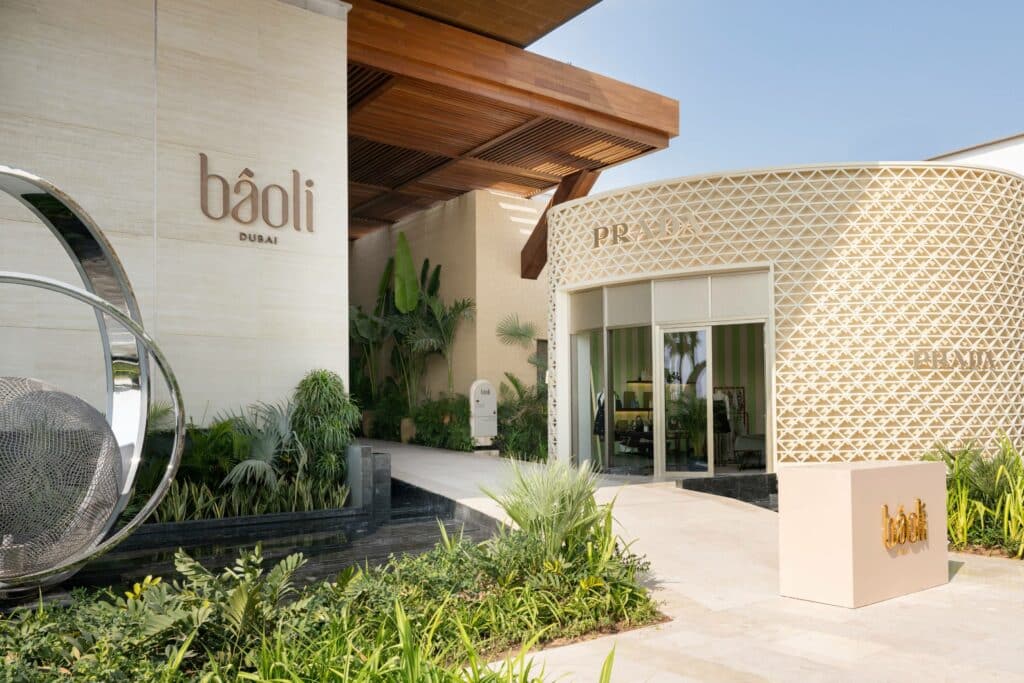
Bringing Bâoli to a new audience meant rethinking how the brand lives in a different context. We had to respect the essence of the concept while adapting the experience to suit local expectations, timing, and behaviour. The challenge was staying true to the original while designing something that felt native to Dubai.
When considering the next great destination for SHG, what key factors do you look for?
We look at momentum, places with strong infrastructure, clear hospitality demand, and a sense of growth. The guest profile, climate, and competitive landscape also play a role. Most of all, we look for destinations where we can add value by creating something original and aligned with the energy of the place.
Guests today are more demanding than ever. How do you keep surprising them?
By observing how they behave, not just what they say. Guest expectations change quickly, especially in the UAE. We respond with new layers, such as seasonal menus, music shifts, unexpected collaborations, or enhanced service touchpoints. Surprise comes from relevance, not gimmicks.
What kind of team culture do you try to build at your venues?
We build teams that are confident, informed, and proud of where they work. That starts with clarity, consistent training, and giving people room to grow. When a team understands the purpose behind the venue, they represent it with more authenticity and energy.
How important are sustainability and wellness in your plans for the future?
Both are central to how we think about the next generation of hospitality. Wellness reflects how guests want to feel, from the food they choose to the spaces they spend time in. Sustainability informs our materials and long-term planning. We continue to embed both into our venues in ways that feel practical and genuine.
Describe the future of beach and poolside hospitality in a few words.
Uplifted, responsive, experience-led.