
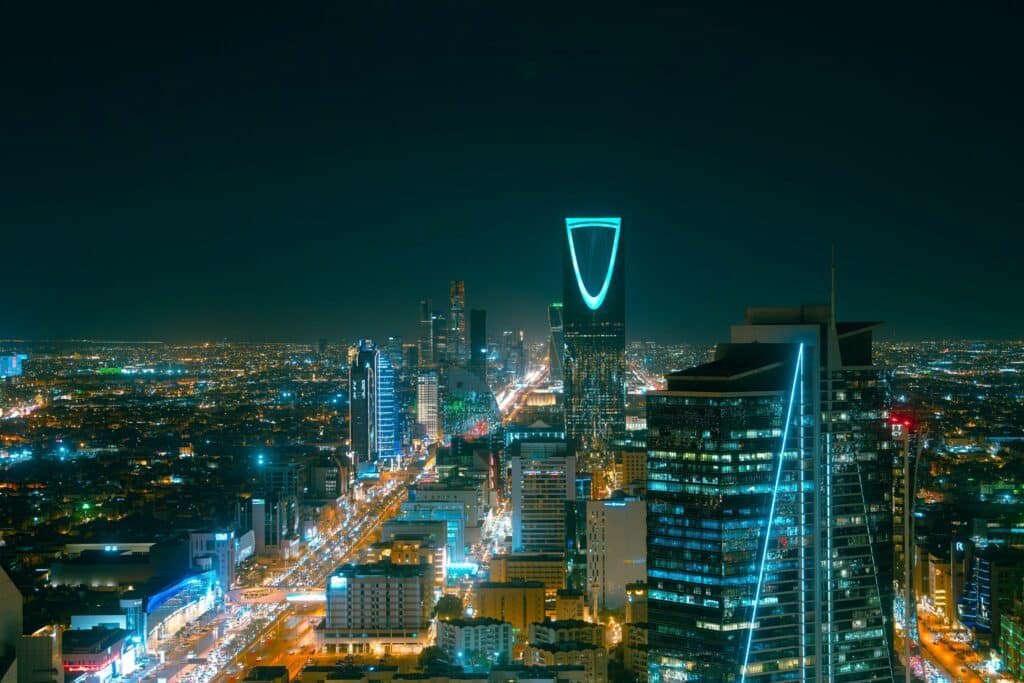
Saudi Arabia is no longer just an emerging tourism market—it is a global powerhouse. After smashing its initial “Vision 2030” goal of 100 million visitors seven years ahead of schedule, the Kingdom has officially shifted its sights to 150 million annual visitors by the end of the decade.
This ambitious pivot is supported by staggering new data from the Ministry of Tourism and property consultancy Knight Frank, revealing a sector that expanded by 32% in the last year alone.
1. Building the Skyline: 94,500 Rooms in the Pipeline
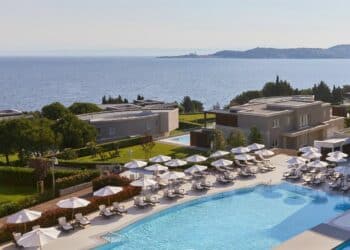
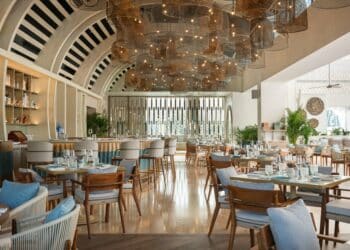
To accommodate the projected influx of 150 million travelers (split between 70 million international and 80 million domestic), Saudi Arabia is undergoing the most rapid hospitality expansion in modern history.
- The Construction Surge: There are currently 94,500 hotel rooms either under construction or in advanced planning stages. This will significantly bolster the existing quality stock of roughly 171,650 keys.
- Luxury Dominance: 76% of the new supply is slated to fall into the luxury, upper upscale, and upscale categories. This aligns with a growing consumer preference in the region, where 83% of travelers now opt for four- or five-star accommodations.
- Geographic Hubs: While Riyadh is expected to see a 19% increase in room keys by 2027, the “Holy Cities” of Makkah and Madinah lead the long-term pipeline with over 252,000 planned rooms.
2. Economic Engine: A 32% Growth in Tourism GDP
The financial impact of this “Tourism Reset” is visible in the national accounts.
- GDP Contribution: Tourism’s contribution to Saudi Arabia’s GDP has risen to 5%, with a firm target of 10% (SAR 600 billion) by 2030.
- Spending Records: Preliminary data for 2025 shows that visitors spent an estimated SAR 300 billion ($81 billion), a 6% increase from the previous year.
- Employment Milestones: The sector has now surpassed 1 million jobs, with a new goal of 1.6 million by 2030. Saudi nationals currently make up nearly a quarter of this workforce, particularly in high-growth destinations like the Red Sea.
3. Structural Shifts: The Rise of the Leisure Traveler
While religious tourism remains a cornerstone—with 16.9 million international Umrah pilgrims in 2024—the Kingdom is seeing a “tectonic shift” in visitor demographics.
- Non-Religious Growth: International non-religious travelers now account for 59% of arrivals, a massive 127% increase compared to 2019 levels.
- Asian Source Markets: In 2025, Asia emerged as the largest source market for international tourists, contributing 9.7 million visitors, followed by Egypt and Pakistan.
- Domestic Dynamics: 74% of all visitors are still Saudi nationals, with “Staycations” becoming a dominant cultural trend. Nearly 30% of Saudis now travel within the Kingdom every 2–3 months.
4. Future Milestones: Expo 2030 and Beyond
The road to 150 million is paved with world-class events. The Kingdom is preparing to host Expo 2030 and the FIFA World Cup 2034, events that will act as permanent catalysts for infrastructure and branding.
- Red Sea & Amaala: Red Sea Global is set to unveil nine ultra-luxury resorts at Amaala in early 2026, further diversifying the Kingdom’s appeal as a premier wellness and regenerative tourism destination.
Saudi Tourism Sector Snapshot (Feb 2026)
| Metric | Current Status / Data | 2030 Target |
| Annual Visitors | 122 Million (2025 Est.) | 150 Million |
| Hotel Pipeline | 94,500 (Under Construction) | 358,000 (Total Planned) |
| GDP Contribution | 5% (SAR 300B) | 10% (SAR 600B) |
| Workforce | 1 Million+ Jobs | 1.6 Million Jobs |
| Key Source Market | Asia (9.7M visitors) | Diversified Global Reach |