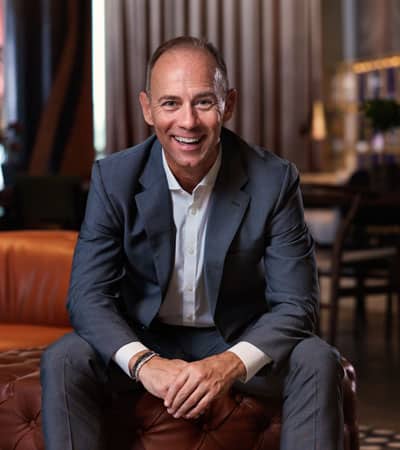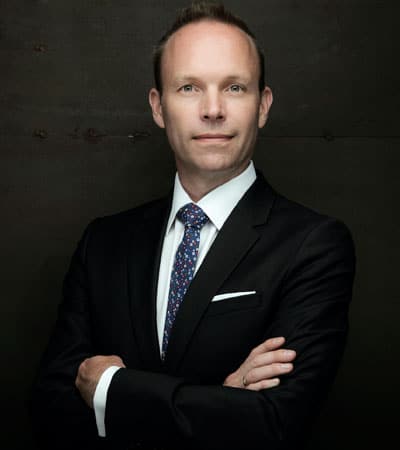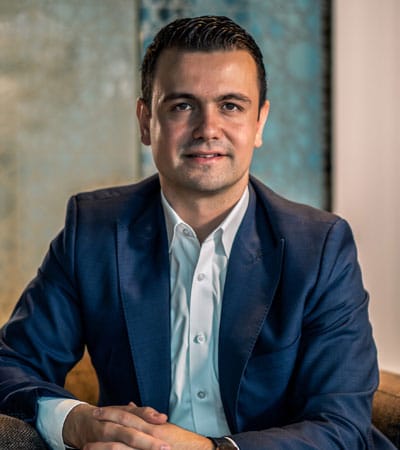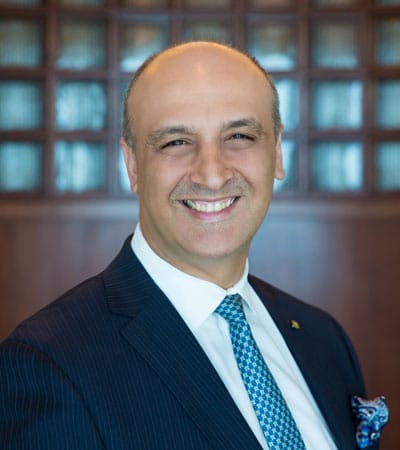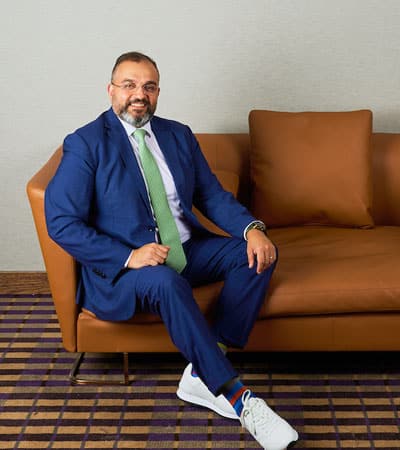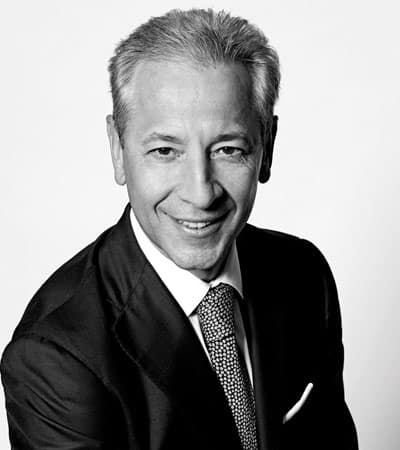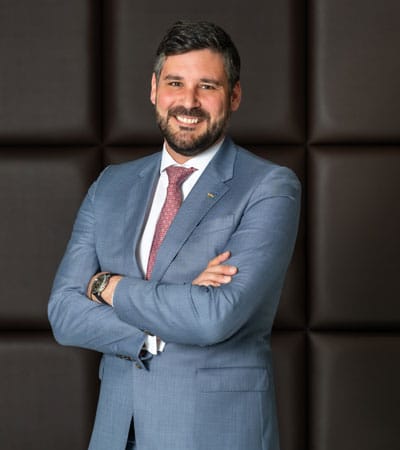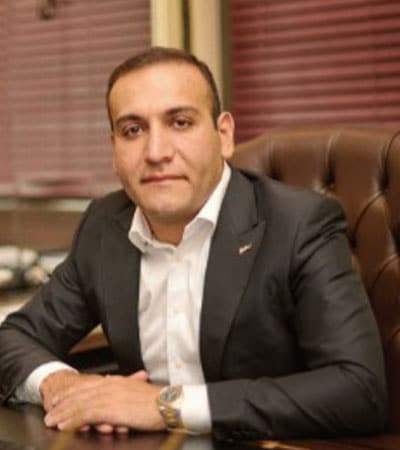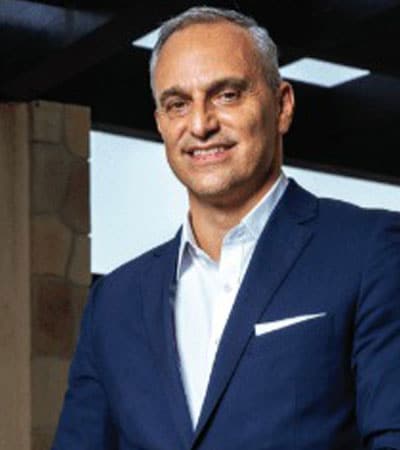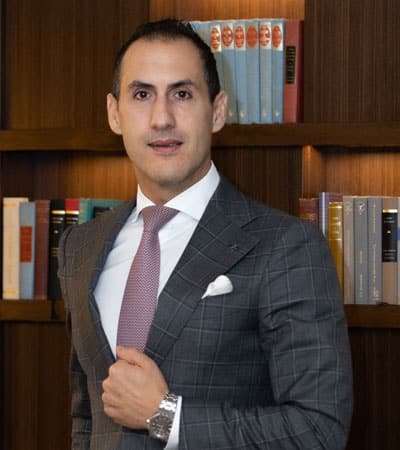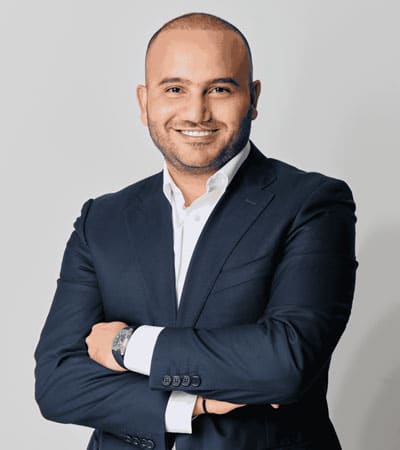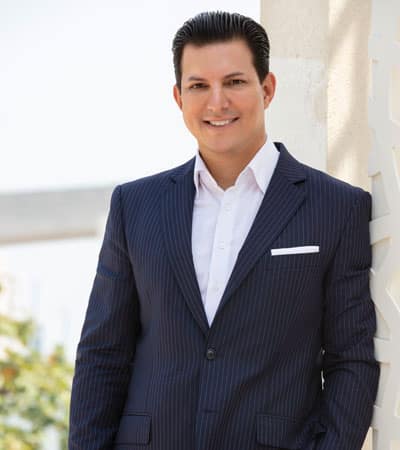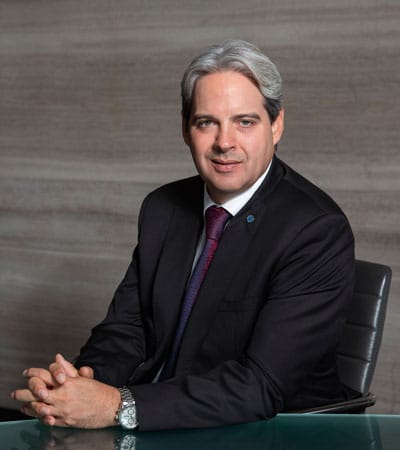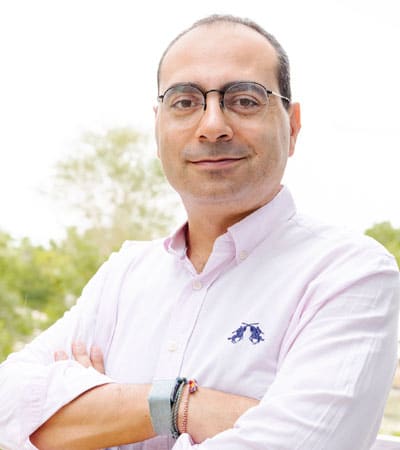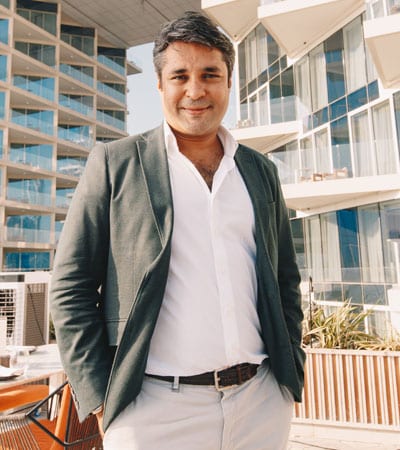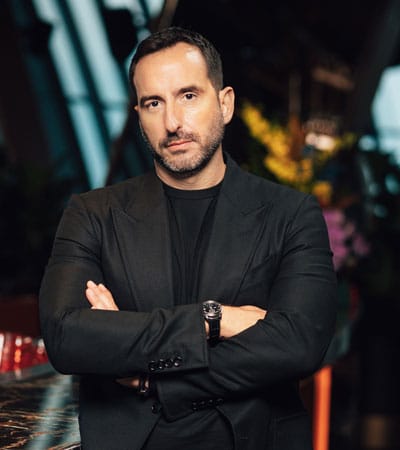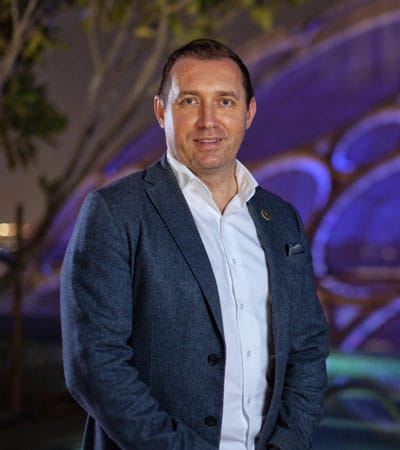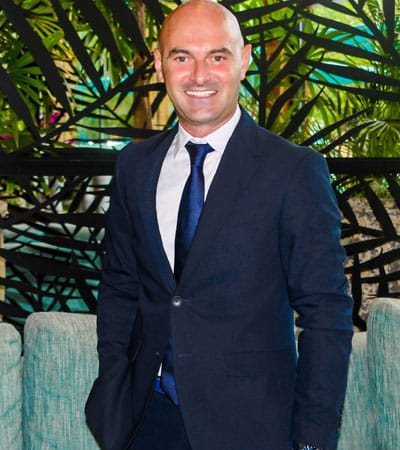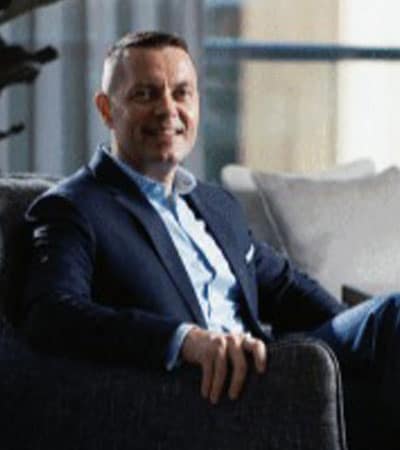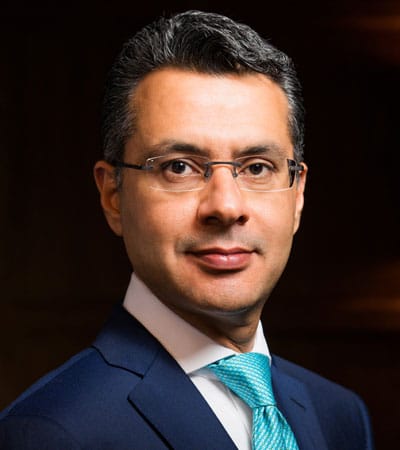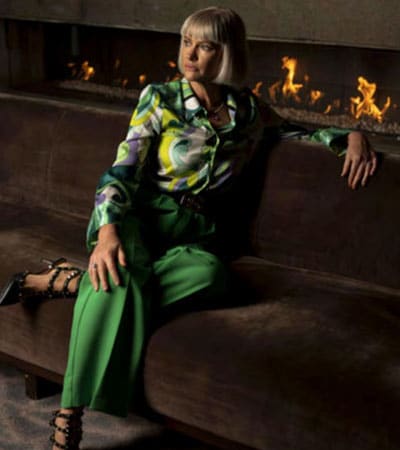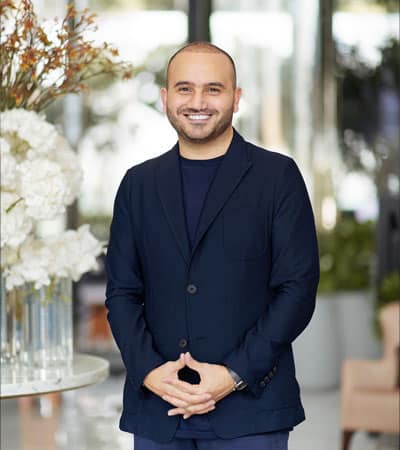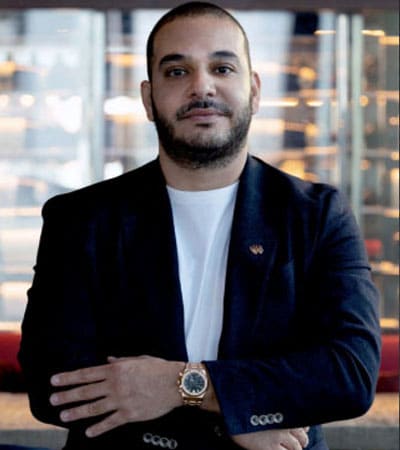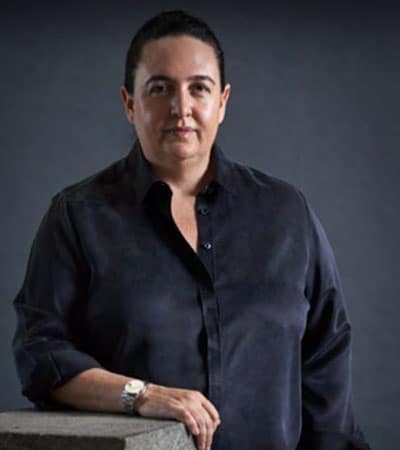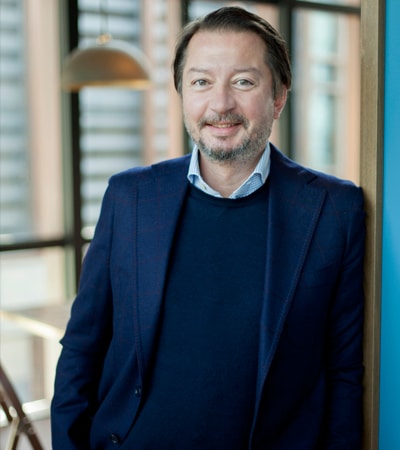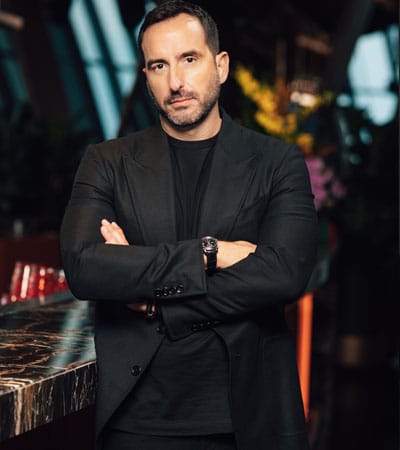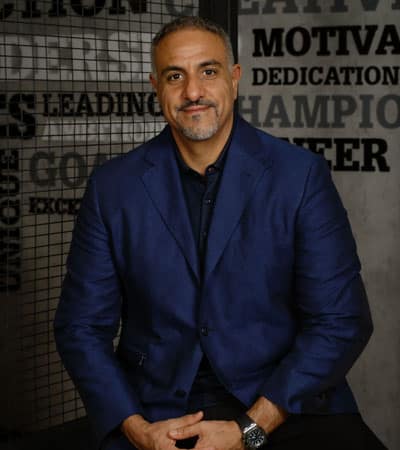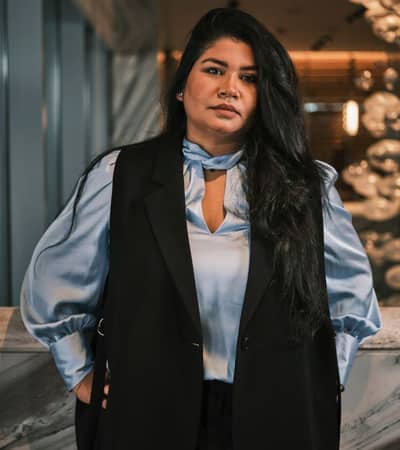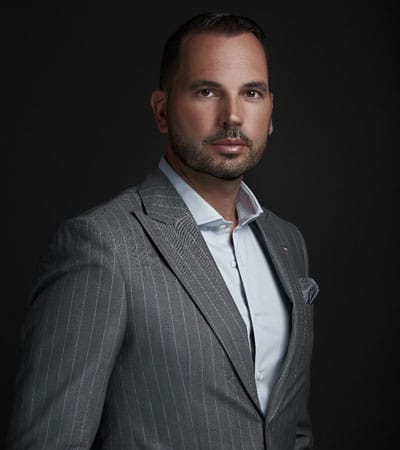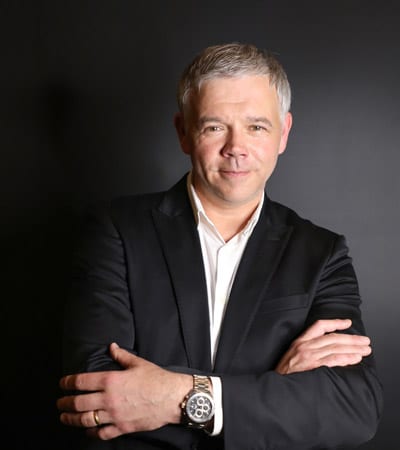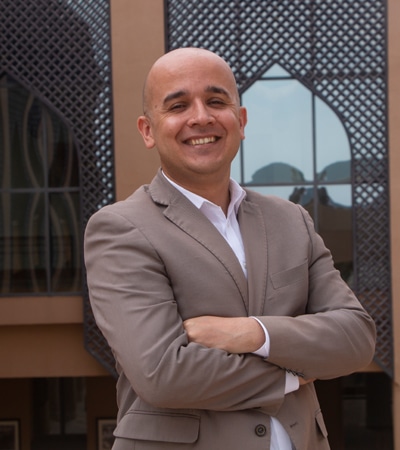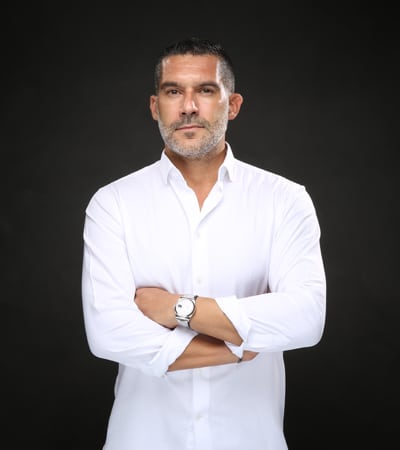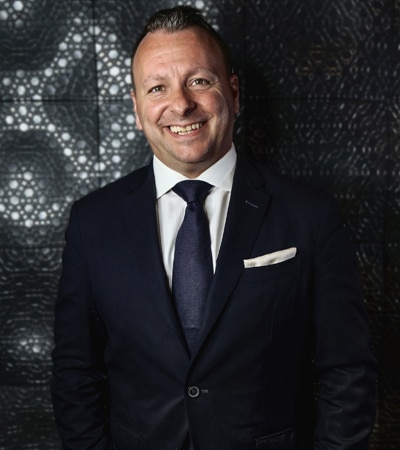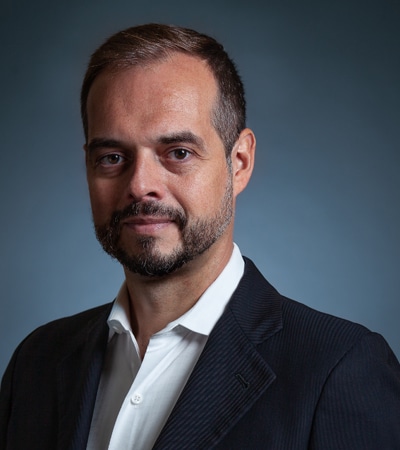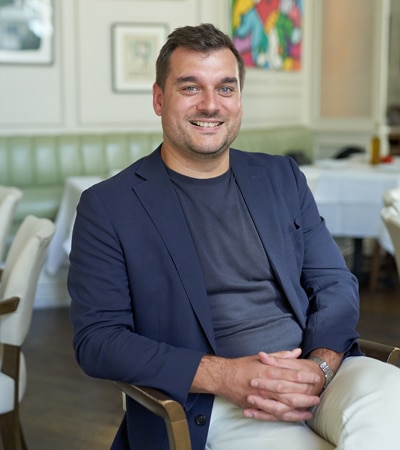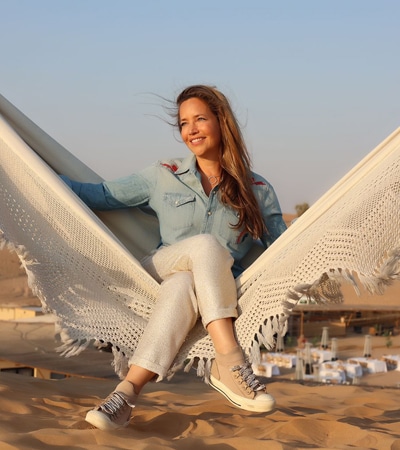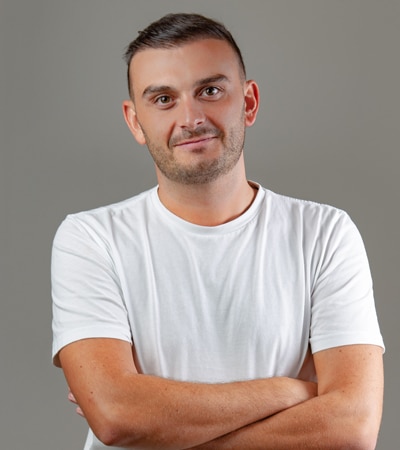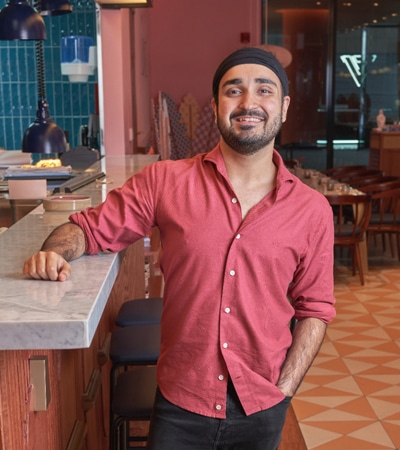

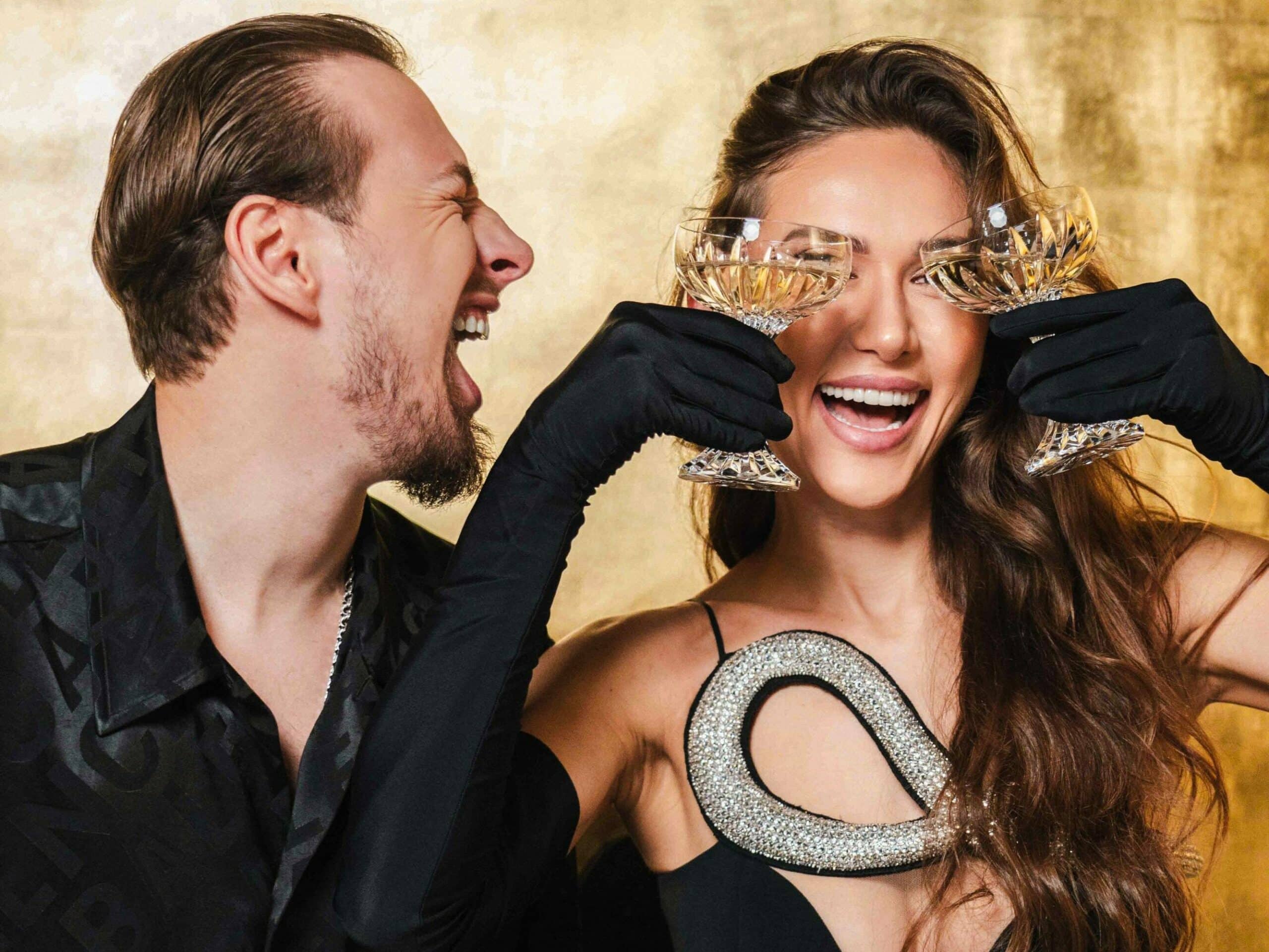
By Sam Florentsev and Jenya Makeeva, Co-Founders of NAHATÉ Dubai
Luxury dining is at an inflection point. For years, the industry equated prestige with scale, larger dining rooms, higher price points, and greater spectacle. Yet as the dining scene matures and guests’ needs change, it has become clear that the next era of luxury will not be driven by excess, but by emotion, by places that resonate deeply and remain memorable long after the evening ends.
When people talk about luxury dining in Dubai, the conversation often defaults to scale, spectacle, or price tags. Bigger. Bolder. More expensive. But when opening NAHATÉ, we weren’t chasing excess. We wanted to create a concept that was emotionally relevant.
From the outset, NAHATÉ was designed to be an immersive space where atmosphere matters as much as cuisine, and where guests don’t simply arrive for a meal, but step into a world. What we were responding to was a larger shift already underway in the restaurant industry. Guests are looking for places and experiences that flex with them, a destination that works for a celebratory dinner, a spontaneous late night, a private gathering, or a milestone moment, all without losing its identity.
In its first year, NAHATÉ quickly became part of Dubai’s cultural rhythm. Not because it tried to be everything to everyone, but because it created a feeling people wanted to return to. On any given night, the dining room might host artists, founders, athletes, or global tastemakers.
The future of hospitality isn’t about rigid concepts but rather emotional versatility.
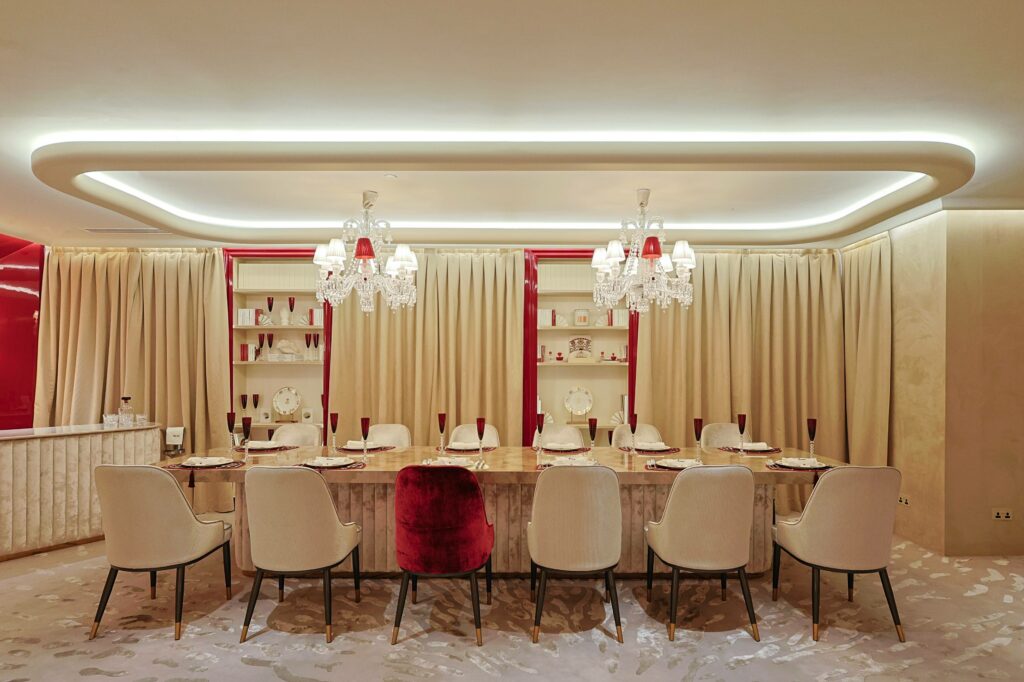
At NAHATÉ, this philosophy shaped every decision. Our collaborations with global luxury maisons were never driven by branding alone, but by cultural storytelling. The Baccarat private dining room is not simply a visually striking space; it is designed as a setting for meaningful moments. In a one-of-a-kind collaboration with artist and Crosby Studios founder Harry Nuriev, the restaurant itself became a canvas with installations integrated throughout the bar, private dining room, and main entrance, allowing guests to inhabit the art rather than observe it from a distance. Even the smallest rituals, like offering slippers so guests can stay longer, speak to a philosophy rooted in care rather than formality.
Dubai’s dining scene is among the most competitive in the world, but it is also one of the most progressive. What distinguishes the city is its openness to concepts that blur traditional boundaries, where dining intersects with nightlife, art merges with hospitality, and celebration is embedded into the everyday experience. NAHATÉ did not invent this movement, but it was built in direct response to it.
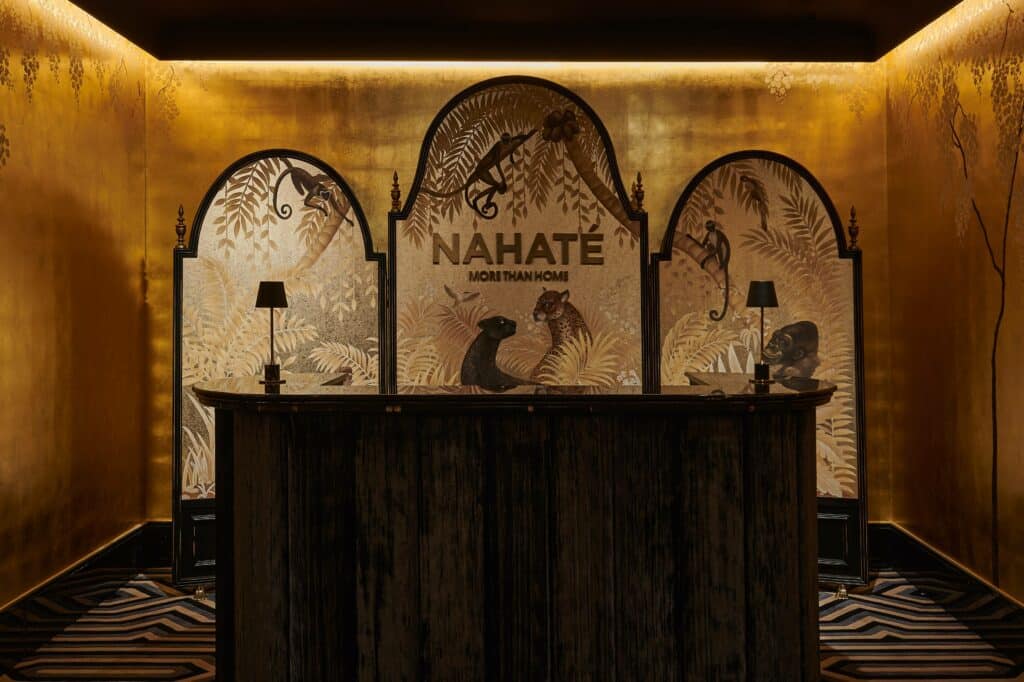
As we look ahead, the most exciting part of the journey isn’t expansion or scale, it’s evolution. Introducing lunch service, deepening global partnerships, and continuing to create moments that feel intimate even at their most extravagant. The goal remains the same as it was on day one: to build a place people emotionally invest in.
In its first year of service, NAHATÉ welcomed tens of thousands of guests, poured thousands of bottles of Dom Pérignon, served hundreds of kilograms of caviar, and introduced a record-setting cocktail, reflecting the role the restaurant has come to play in guests’ celebrations and everyday rituals.
For hospitality leaders, the direction of the industry is becoming increasingly clear. Luxury dining is moving away from transactional experiences and toward environments that function as cultural ecosystems, places where guests feel immersed, connected, and understood. The most enduring restaurants will be those that invite participation rather than performance, and presence rather than spectacle.