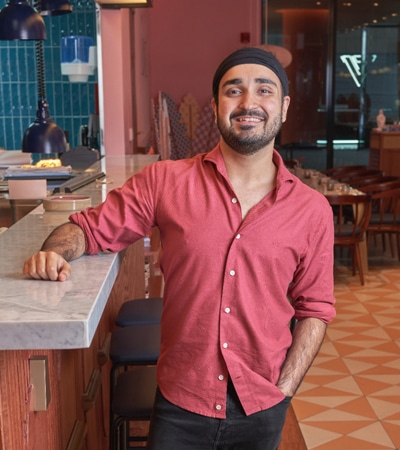


Written by Abdulla AlHathboor – Founder of HBR Restaurants
The United Arab Emirates (UAE) is renowned for its diverse population, with expatriates constituting approximately 93.5% of its 9.5 million residents . This rich tapestry of cultures is vividly reflected in the country’s food and beverage (F&B) sector, where diners seek both familiar flavours from their homelands and novel culinary experiences. In such a competitive and multicultural market, success hinges not only on the quality of food but also on assembling a team that embodies and understands this diversity (1).
A strong and diverse team is essential in an industry driven by evolving tastes, international influences, and high service expectations. From crafting menus that cater to a wide array of palates to ensuring seamless communication with guests from varied cultural backgrounds, having the right team can transform an average dining experience into an unforgettable one.
Shaping the Menu: Catering to a Multicultural Audience
In the UAE, home to people from around the globe, developing a menu that appeals to a broad audience requires a deep understanding of diverse cultural preferences and dietary habits. This is where a diverse kitchen team becomes invaluable.Chefs with varied culinary backgrounds bring unique perspectives, fostering an innovative yet authentic approach to menu development.
For instance, at Kneaded, a bakery concept under HBR Restaurants, Emirati flavors are seamlessly integrated into the offerings. Without local expertise, capturing the authenticity of Emirati ingredients and techniques would have been challenging. Similarly, at Next Door Kitchen, the intercontinental menu draws from various global cuisines, presenting flavors from Asia, Europe, and the Middle East. This fusion is a direct result of the team’s collective knowledge and global experience.
A diverse team also facilitates a more informed approach to dietary preferences and restrictions. According to a 2024 McKinsey report, there is a growing appetite for healthy and organic products among high-income consumers in the Middle East and North Africa (MENA) region, with 60% in the UAE expressing a desire for such options . In a market where dietary consciousness is rising, having chefs who understand these requirements ensures that menu offerings are inclusive and well-executed. The ability to craft a menu that resonates with different cultural backgrounds while maintaining consistency and quality distinguishes successful F&B brands in the UAE (2).
Client Communication: Adapting Service to Different Cultural Expectations
Service in the F&B industry extends beyond delivering food; it’s about creating a seamless and enjoyable experience for every guest. In a country as diverse as the UAE, customer expectations vary significantly based on cultural background.Some guests prefer a formal and personalized dining experience, while others appreciate a casual and efficient approach.Understanding these differences is crucial to delivering high-quality service.
A diverse front-of-house team plays a pivotal role in bridging cultural gaps and ensuring guests feel comfortable and valued. For example, guests from Western cultures may appreciate direct eye contact and friendly banter, whereas those from Middle Eastern and Asian cultures might expect a more respectful and reserved approach. Staff members familiar with these nuances can tailor their service accordingly, enhancing the overall guest experience.
Language is another critical aspect of customer service. While English is widely spoken in the UAE, addressing diners in their native languages can significantly enhance comfort and satisfaction. Having a multilingual team facilitates smoother communication, reduces misunderstandings, and creates a more welcoming atmosphere for guests from diverse backgrounds. This attention to detail can markedly improve customer satisfaction and encourage repeat business.
Fostering an Inclusive Work Environment for Long-Term Success
Beyond hiring diverse talent, creating an inclusive work environment where every team member feels valued and empowered is essential. A workplace that encourages collaboration, learning, and idea-sharing fosters creativity and innovation. When employees from different backgrounds contribute their perspectives, the result is a more dynamic and forward-thinking approach to both menu development and customer service.
Moreover, fostering a culture of inclusion contributes to employee satisfaction and retention—two critical factors in an industry known for high turnover rates. While specific statistics for the UAE are limited, global trends indicate that F&B businesses with strong diversity and inclusion policies experience higher employee retention rates. When staff members feel respected and heard, they are more likely to remain committed to the brand, leading to greater consistency in service and overall business growth.
The Future of F&B in the UAE: A Case for Diversity
The UAE’s F&B industry is poised for continued evolution as new trends, flavors, and customer expectations emerge.Businesses that embrace diversity within their teams will be best positioned to navigate these changes and remain competitive. By bringing together individuals with varied skills, cultural insights, and culinary expertise, restaurants can create exceptional dining experiences that cater to the UAE’s uniquely international audience.
In a landscape as vibrant and multicultural as the UAE, success in the F&B sector transcends serving great food—it’s about understanding people. A strong and diverse team ensures that every aspect of the dining experience, from the menu to customer service, reflects the needs and preferences of a global clientele. By prioritizing diversity and inclusion, restaurants can thrive in one of the world’s most exciting culinary destinations.